Email Marketing in 2026: Is It Still Worth It for Small Businesses?
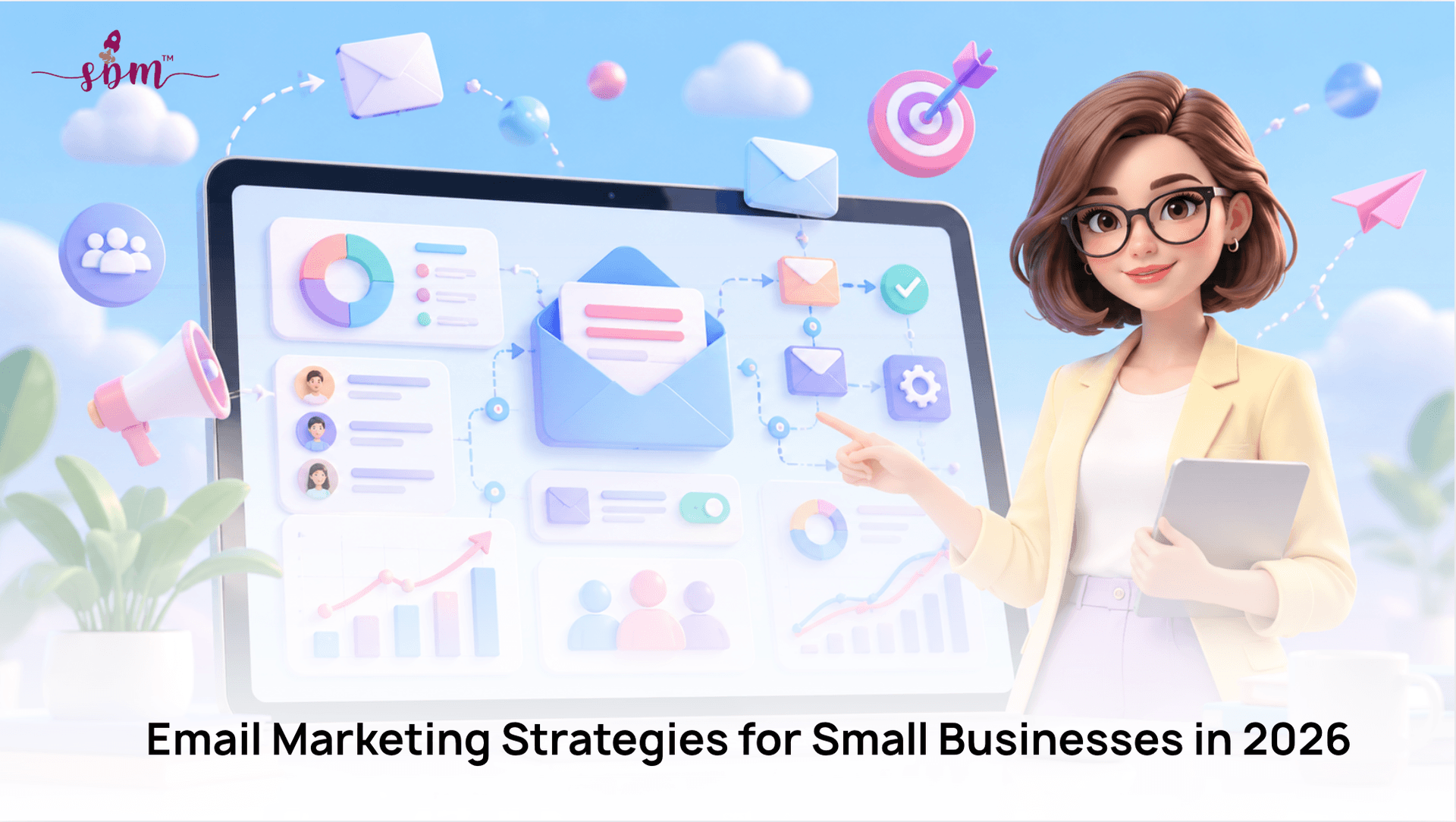
Email Marketing in 2026: Is It Still Worth It for Small Businesses?
Can we talk about email marketing for a minute? Because, yes, it’s still relevant in 2026. Your latest Instagram post might disappear from someone's feed in a few hours. Your email can still be sitting in their inbox tomorrow.
That matters when you're a small business trying to stay in front of customers without constantly paying attention.
Email marketing isn't new, but it hasn't gone anywhere. Litmus reports an average return of $36 for every $1 spent on email marketing.
So, is email still worth your time in 2026? For many small businesses, yes. But only if you're using it to build customer relationships, not just send another “Happy Friday” newsletter.
Is Email Marketing Still Effective for Small Businesses in 2026?
Yes, but the results depend heavily on how you use it.
AWeber’s 2026 research found that 79% of small businesses consider email important to their strategy, but only 60% consider it effective.
That gap tells you something important: email itself isn't necessarily the problem.
A business sending one generic promotional email every few months will get very different results from one sending useful, relevant emails consistently. A well-planned email marketing strategy can bridge that gap by giving subscribers a reason to keep paying attention.
Why Should Small Businesses Use Email Instead of Relying on Social Media?
You can spend years building an Instagram following and still have limited control over who sees your posts.
Email works differently. When someone gives you their email address, you have a direct way to reach them without waiting for an algorithm to show them your content.
That doesn't mean ditch social media. Use it to attract attention and encourage people to join your email list and support your lead generation efforts.
For example, a bakery might use Instagram to promote a new cake range, then use email to send subscribers an early-order offer. A consultant could use LinkedIn to share advice and email subscribers a deeper guide or consultation offer.
Social media gets attention. Email gives you a way to follow up.
How Many Email Subscribers Does a Small Business Need?
You don't need thousands of subscribers to start seeing value.
Sean Tinney, content marketer with 15+ years of experience found that 43% of small businesses have 500 or fewer subscribers, while businesses with more than 500 subscribers were twice as likely to say their email strategy was effective.
But don't treat 500 as a magic number.
A list of 200 existing customers and genuinely interested prospects can be far more useful than 5,000 people who barely remember signing up.
The goal is to build a relevant list, not the biggest list. If you're just getting started, our beginner's guide to email marketing for small businesses explains the fundamentals of building an email strategy and connecting with potential customers.
Consistent customer engagement with a smaller, interested audience can be more valuable.
What Should Small Businesses Actually Send by Email?
If your only emails are “20% OFF THIS WEEKEND,” people have little reason to keep opening them.
Give subscribers something useful between promotions. For more practical examples, explore these email marketing tactics for Connecticut small businesses, including ways to use timely follow-ups and relevant messages to encourage bookings, enquiries, and repeat business.
A local accountant could send “3 tax mistakes small businesses make before year-end.” A salon could send “How to make your colour last longer” and then link to its next available appointments. A web designer could send “3 signs your website is losing enquiries.”
Then, when you do have something to sell, the email doesn't feel like it came out of nowhere.
Instead of... | Try... |
Sending promotions every week | Mixing offers with useful, relevant content |
Emailing whenever you remember | Following a consistent schedule |
Sending the same email to everyone | Tailoring content to subscribers' interests |
Focusing only on open rates | Tracking clicks, enquiries, and sales |
Letting new subscribers go cold | Setting up an automated welcome email |
How Often Should a Small Business Send Marketing Emails?
You don't need to email every day. You do need to show up consistently.
AWeber reports that 54% of small businesses that consider their email strategy effective send at least weekly.
For one business, that might mean a useful weekly email. For another, two valuable emails a month may be more realistic.
Pick a schedule you can maintain. Sending three emails one week and disappearing for six months isn't much of a strategy. A regular email newsletter can maintain that consistency, provided you have something worthwhile to share with your subscribers.
Why Isn't My Email Marketing Working?
Before deciding email “doesn't work,” check what you're actually sending.
If your emails aren't getting results, the problem could be a weak offer, irrelevant content, inconsistent sending, an inactive subscriber list, or emails going to spam.
For example, if you've collected 2,000 subscribers over five years but most haven't opened an email in months, the size of your list isn't telling you much about its value.
Clean your list, improve the content, make your offers relevant, and give new subscribers a reason to stay. Review your email marketing software analytics to identify patterns in engagement, delivery and conversions.
What Should a Small Business Set Up First?
Keep it simple.
Start with a way to collect email addresses, a short welcome sequence, and a consistent email schedule.
For example, someone downloads your free guide. They immediately receive the guide, then a follow-up explaining how to use it, followed by a relevant service or product offer.
That sequence can work automatically while you focus on running the business.
Once the basics are working, you can add segmentation and more advanced marketing automation. As your subscriber list grows, explore how AI-powered email marketing and personalization can help you create more relevant messages, automate follow-ups, and improve the timing of your email campaigns.
You can also explore email marketing tools that support scheduling, subscriber segmentation and performance tracking as your list grows.
How Do You Know If Email Is Actually Bringing in Customers?
Don't stop at open rates.
Ask whether your emails are generating clicks, enquiries, bookings, purchases, or repeat business.
A local gym, for example, might discover that its weekly tips get plenty of opens, but its member referral emails generate the most sign-ups. That tells the business which emails are actually contributing to revenue.
The goal isn't to collect impressive email statistics. It's to use email to move customers closer to doing business with you.
Common Concerns
Can small businesses still grow through email marketing in 2026?
Yes. Email can help small businesses nurture leads, encourage repeat purchases, and stay connected with existing customers. The key is sending useful, relevant content consistently rather than relying only on promotional emails.
How can small businesses get better results from email marketing in 2026?
Focus on building a relevant subscriber list, sending consistently, personalizing content, and using automated emails such as welcome sequences. Track clicks, enquiries, bookings, and sales to see which emails are actually contributing to business growth.
What role does email marketing play in a small business marketing strategy?
Email marketing gives small businesses a direct way to communicate with people who have already shown interest in their products or services. It can complement social media by turning one-time attention into ongoing customer relationships.
What email marketing strategies are working for small businesses today?
Useful educational content, targeted offers, welcome sequences, customer follow-ups, and consistent newsletters are practical strategies for small businesses. The strongest approach depends on the audience, but relevance and consistency matter more than simply sending more emails.
What are the biggest email marketing mistakes small businesses should avoid in 2026?
Common mistakes include sending emails inconsistently, using generic content, relying too heavily on promotions, ignoring inactive subscribers, and skipping automated welcome emails. Poor deliverability can also prevent otherwise good emails from reaching the inbox.
So, Is Email Marketing Worth It in 2026?
You don't need another platform to chase. You need a better way to stay connected with the people who already know your business.
That's where email marketing earns its place.
Your social posts may bring someone in. Your website may turn them into a lead. Email gives you a reason to keep the conversation going. It can bring past customers back, nurture people who aren't ready to buy yet, and keep your business in front of prospects without relying on them seeing your next post.
The businesses getting value from email in 2026 aren't necessarily the ones with the biggest lists. They're the ones giving people a reason to stay subscribed.
Don't worry about sending more. Send emails people actually want to receive.
Want to Make Your Marketing Work Harder?
Email is just one piece of the puzzle. If you want more practical ways to turn your audience, website, and marketing efforts into actual business, explore 7 Tips of the Week: How Email Marketing Drives Growth and discover strategies you can put to work for your small business.